UK E-Invoicing Mandate 2029: What SMEs Need to Know and How to Prepare Now
The UK is moving towards mandatory e-invoicing for VAT invoices from April 2029, but many businesses are still unaware of the change.
According to recent HMRC research, around 40% of SMEs are unaware of the upcoming e-invoicing requirements, while more than 90% have not seen any communication from HMRC on the topic. With just a few years to go before the changes take effect, businesses that start preparing now will be in a much stronger position than those that leave it until the last minute.
While the new rules are being introduced as part of the government's wider digital tax strategy, e-invoicing isn't just about compliance; it could result in businesses saving money. Research referenced by HMRC suggests that a typical small business could save around £11,300 per year through more efficient invoicing processes, fewer errors and improved cash flow management.
What is e-invoicing?
Many business owners assume e-invoicing simply means emailing a PDF invoice; however, it’s a bit more complex than that.
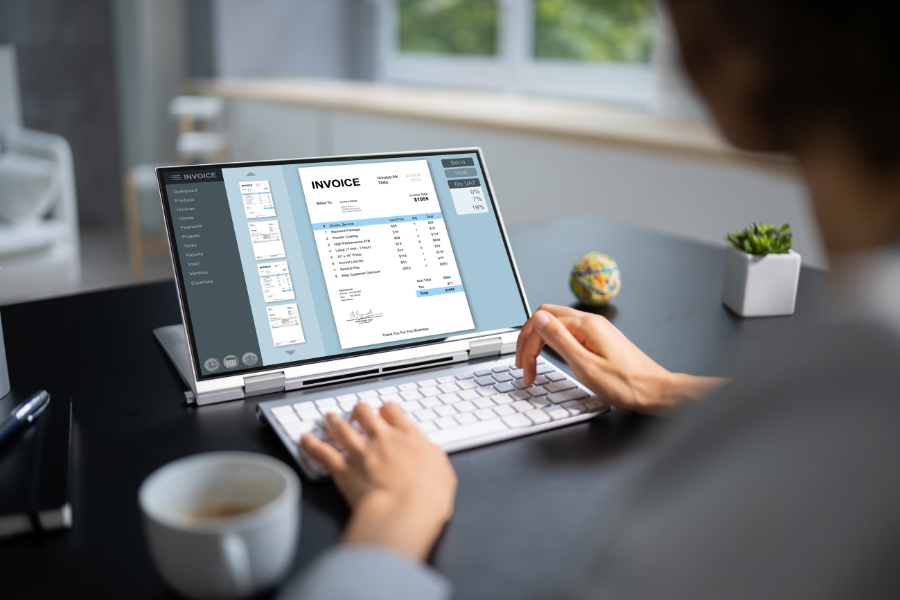
An e-invoice is created, sent, and received in a structured digital format that can be processed automatically by accounting software. Rather than relying on someone manually entering information from an email attachment, invoice data moves directly between systems.
This automation helps reduce administrative work, improve accuracy, and speed up the processing of invoices.
Why is the UK introducing mandatory e-invoicing?
The move forms part of the current government's ongoing efforts to modernise the UK tax system and reduce the tax gap. Alongside initiatives such as Making Tax Digital, e-invoicing is designed to improve the quality of financial data and make tax reporting more efficient.
However, the benefits extend beyond HMRC's objectives.
Structured digital invoicing can help businesses:
- Reduce manual data entry
- Improve invoice accuracy
- Minimise disputes
- Speed up approval processes
- Strengthen cash flow management
- Improve visibility over financial performance
For many SMEs, these operational benefits could be just as valuable as meeting the compliance requirements.
How prepared are UK businesses?
Despite increasing awareness, adoption remains relatively low.
HMRC's research found that:
- 59% of SMEs say they are familiar with e-invoicing.
- Only 29% currently use e-invoicing.
- Just 10% both send and receive e-invoices.
Most businesses still rely on PDF invoices sent by email, while some continue to use paper invoices for certain processes.
The challenge with these methods is that they still require manual handling, creating opportunities for delays, errors, and inefficiencies.
The good news is that almost all SMEs already use some form of accounting software, meaning many businesses already have the foundations needed to transition successfully.
How will e-invoicing work in the UK?
While some details are still being developed, the UK is moving towards a decentralised "four-corner" interoperability model for e-invoicing.
In simple terms, invoices will be sent through approved digital networks that allow different accounting systems to communicate with one another. This approach is designed to give businesses flexibility while ensuring invoices can be exchanged in a standardised format.
Unlike some countries that require tax authorities to approve invoices before they are issued, HMRC is not expected to operate a fully centralised clearance model as part of the initial 2029 rollout. Real-time reporting to HMRC is not expected to be introduced at the same time, although future digital reporting requirements may be considered once e-invoicing is established.
Why SMEs should start preparing now
Although 2029 may seem a long way away, businesses that begin planning now will avoid a rushed implementation later.
One of the biggest mistakes organisations make is viewing e-invoicing purely as a tax project. In reality, invoicing affects multiple areas of a business, including sales, operations, finance and customer relationships.
A successful transition should focus on improving the entire invoicing process, rather than simply meeting the minimum compliance requirements.
Practical steps to take today
Review your current invoicing process.
Start by understanding how invoices currently move through your business.
Ask yourself:
- How are invoices created?
- How are they approved?
- How are disputes handled?
- Where are delays occurring?
Identifying existing bottlenecks will make it easier to implement digital processes later.
Check your accounting software.
Most modern accounting platforms are already investing in e-invoicing functionality.
If you use software such as Xero or QuickBooks, keep an eye on future updates, wait for confirmed implementation guidance, and speak to your accountant about what changes may be needed ahead of 2029.
Improve data quality
The success of e-invoicing depends on accurate data.
Review customer records, VAT information, and supplier details to ensure they are complete and consistent. Clean data will help avoid problems when digital invoicing becomes mandatory.
Think beyond compliance.
Businesses that see e-invoicing as an opportunity to improve efficiency are likely to gain the most value.
Rather than simply preparing for a regulatory change, consider how automation could help reduce administration, improve reporting and support future growth.
How Phinch Can Help
At Phinch, we help businesses in Weston-Super-Mare and surrounding areas embrace digital accounting and stay ahead of changing regulations.
Whether you need support with bookkeeping, VAT, cloud accounting software or management accounts, our team can help you prepare for the UK's move to mandatory e-invoicing. By reviewing your current systems and processes now, we can help ensure your business is ready for 2029 while also identifying opportunities to improve efficiency today.
If you'd like advice on preparing for e-invoicing or making the most of your accounting software, get in touch with the Phinch team.